WhatsApp Privacy Allegations: Meta Denies Claims of Message Access Amidst Growing Debate
In the vast landscape of instant messaging, WhatsApp stands as an undisputed giant, connecting billions across the globe. Yet, despite its pervasive reach and reliance on sophisticated security protocols, the platform frequently finds itself at the heart of intense privacy debates. Recent high-profile criticisms from figures like Telegram CEO Pavel Durov and entrepreneur Elon Musk have reignited questions surrounding whether users can truly place their whatsapp encryption trust. These allegations, suggesting potential vulnerabilities in its end-to-end encryption, have been met with staunch denials from Meta, WhatsApp's parent company, setting the stage for a crucial discussion about digital privacy in the modern age.
The core of the controversy revolves around allegations that WhatsApp might allow message access to third parties for moderation purposes, effectively undermining its own security claims. Meta, however, firmly maintains that its platform's architecture ensures only the sender and recipient can read messages, thanks to its robust end-to-end encryption based on the Signal protocol. This article delves into the specifics of these allegations, Meta's defense, and what it means for the security and privacy of your everyday communications.
The Storm of Allegations: Doubts Cast on WhatsApp's Encryption
The privacy practices of WhatsApp came under intense scrutiny following direct challenges from two prominent tech figures. Pavel Durov, the CEO of rival messaging service Telegram, launched a scathing attack, branding WhatsApp's encryption as "the biggest consumer fraud in history." Durov's allegations centered on the claim that WhatsApp misleads its users about the genuine security of their conversations, suggesting that messages could potentially be accessed by company employees or external contractors. This, he argued, opens a significant backdoor to user data, contrary to the platform's public stance on end-to-end encryption.
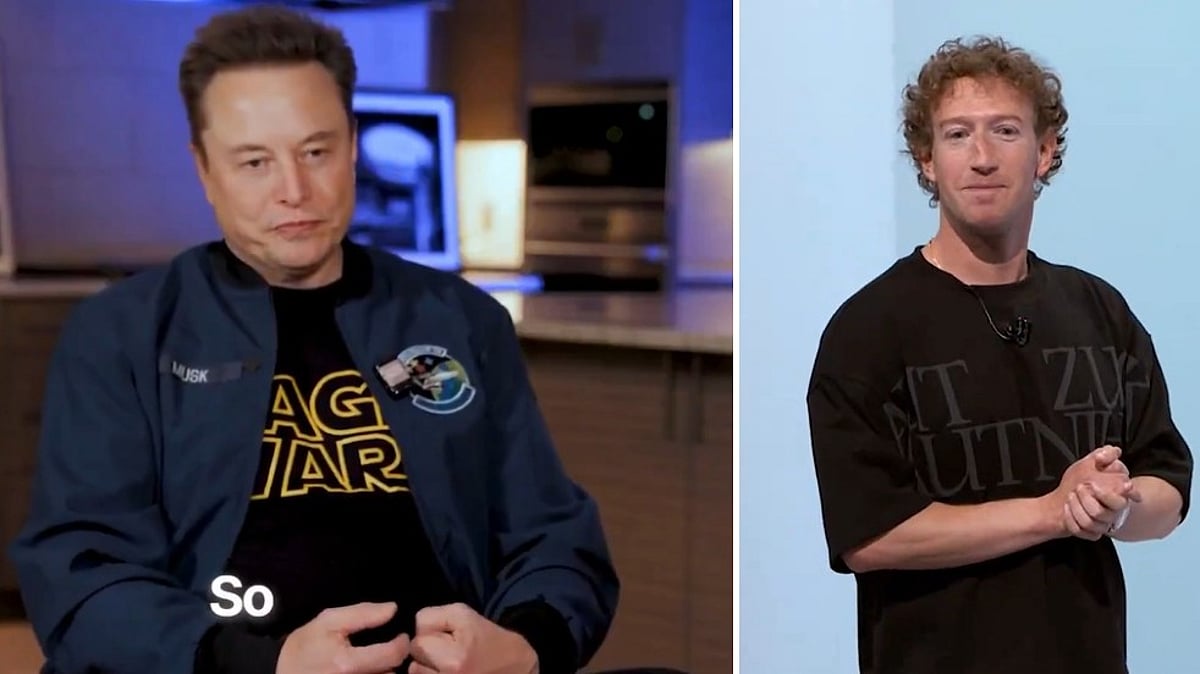
Echoing these concerns, Elon Musk, CEO of Tesla and owner of X (formerly Twitter), publicly stated, "Can't trust WhatsApp." Musk, who also promotes his own platform's messaging capabilities, further fueled the debate, positioning X Chat as a potentially more secure alternative. The convergence of these criticisms from leaders associated with competing platforms adds a layer of complexity to the discussion, raising questions about both the technical merits of the claims and the underlying competitive motivations.
The concerns highlighted by Durov specifically point to reports suggesting that WhatsApp messages could be reviewed by third parties, ostensibly for content moderation. These claims imply that external firms might gain access to certain user content, thereby compromising the privacy that end-to-end encryption is designed to guarantee. These allegations have not only sparked widespread discussion but have also prompted users to question the fundamental safety of their communications on the world's most popular messaging app. For a deeper dive into the specifics of these accusations and Meta's response, refer to WhatsApp Encryption Under Fire: Musk & Durov vs. Meta's Claims.
Meta's Robust Defense: Upholding End-to-End Encryption
In response to the barrage of accusations from Durov and Musk, Meta has issued a strong and unwavering denial. The company has categorically dismissed the claims as "categorically false and absurd," reiterating its commitment to user privacy through the implementation of end-to-end encryption. Meta emphasizes that WhatsApp's security framework is built upon the robust Signal Protocol, an open-source standard widely recognized for its cryptographic strength.
According to Meta, this protocol ensures that all messages, calls, photos, videos, voice messages, documents, and status updates are secured by default. What this means in practice is that only the sender and the intended recipient can read or listen to the content of a communication. Neither WhatsApp, Meta, nor any other third party has the technical means to intercept and decrypt these messages. The company insists that its systems are designed to prevent any form of direct access to user conversations.
Furthermore, Meta has clarified its approach to message moderation. While the platform does engage in efforts to combat harmful content and abuse, it asserts that these systems do not in any way break or compromise end-to-end encryption. Instead, moderation relies heavily on user reports. If a user reports a particular chat or message, only that specific reported content, and the context provided by the reporting user, might be reviewed. Crucially, this process does not grant Meta or its contractors broad access to users' private, encrypted conversations.
Understanding End-to-End Encryption: The Backbone of WhatsApp Security
To fully grasp the significance of the debate surrounding whatsapp encryption trust, it's essential to understand how end-to-end encryption (E2EE) actually works. WhatsApp's security relies on the Signal Protocol, developed by Open Whisper Systems, a company renowned for its commitment to privacy. This protocol represents the gold standard in secure messaging.
Here's a simplified breakdown:
- Unique Keys: When you send a message, it's encrypted on your device using a unique cryptographic key.
- Scrambled Data: The message then travels across the internet in a scrambled, unreadable format.
- Recipient Decryption: Only the recipient's device possesses the matching key required to decrypt and read the message.
- No Interception: This means that even if a message is intercepted en route by hackers, governments, or even WhatsApp's own servers, it remains unintelligible without the correct key.
This method stands in stark contrast to older messaging systems, many of which transmitted messages in plain text or used only "encryption-in-transit." In those scenarios, the service provider often held the keys, allowing them to decrypt and read messages. E2EE eliminates this central point of vulnerability, placing the power of decryption solely in the hands of the communicating parties. For a more detailed explanation of WhatsApp's security measures and how its E2EE functions, explore Is WhatsApp Safe? Understanding Its End-to-End Encryption.
Beyond Encryption: Factors Influencing Digital Trust
While end-to-end encryption forms the cornerstone of whatsapp encryption trust, the broader concept of digital trust encompasses more than just the technical security of message content. Several other factors play a critical role in shaping user confidence:
- Metadata Collection: Even with E2EE, WhatsApp (like many other apps) collects metadata. This includes information such as who you communicate with, when, and how often, as well as device information and IP addresses. While not message content, this data can still reveal patterns about user behavior and connections.
- Software Updates and Vulnerabilities: No software is entirely impervious to vulnerabilities. Regular updates are crucial to patch potential exploits. Users must keep their app updated to benefit from the latest security enhancements.
- Device Security: E2EE protects messages in transit, but the security of your device itself is paramount. If your phone is compromised through malware, phishing, or physical access, your messages could still be exposed.
- Transparency and Audits: The trustworthiness of a platform is also built on its transparency regarding data practices and its willingness to undergo independent security audits. Meta issues transparency reports, but the debate often centers on whether these go far enough for some critics.
- User Responsibility: Ultimately, users bear some responsibility for their own security.
Practical Tips for Enhancing Your WhatsApp Security:
To maximize your privacy and bolster your whatsapp encryption trust, consider these actionable steps:
- Enable Two-Step Verification: Add an extra layer of security by requiring a PIN when registering your phone number with WhatsApp. This prevents unauthorized access even if your SIM card is compromised.
- Review Privacy Settings: Control who can see your "Last Seen," profile photo, "About" status, and read receipts. Adjust group privacy settings to prevent unwanted additions.
- Be Wary of Links and Attachments: Exercise caution with unsolicited links or files, as they can be vectors for malware or phishing attacks.
- Secure Your Device: Use strong passcodes, biometrics (fingerprint/face ID), and keep your phone's operating system updated.
- Backup Wisely: WhatsApp offers cloud backups (Google Drive, iCloud). Be aware that these backups are *not* end-to-end encrypted by default, though WhatsApp has introduced an option to encrypt cloud backups. Ensure you enable this feature for maximum protection.
- Enable Disappearing Messages: For highly sensitive conversations, use the disappearing messages feature to automatically delete messages after a set period.
Conclusion
The debate surrounding WhatsApp's privacy and its end-to-end encryption highlights the ongoing tension between user privacy, platform security, and the challenges of content moderation in a digital world. While high-profile allegations from figures like Pavel Durov and Elon Musk have raised legitimate questions, Meta's strong defense points to a technically robust end-to-end encryption system that is widely regarded as secure. The Signal Protocol, on which WhatsApp's encryption is built, is a testament to strong cryptographic protection, making direct message access by third parties extremely difficult, if not impossible, without compromising the core protocol.
Ultimately, whatsapp encryption trust isn't just about the technology; it's also about a company's policies, transparency, and the vigilance of its users. While WhatsApp offers powerful encryption by default, users play a crucial role in safeguarding their own data through informed choices and proper security practices. As the digital landscape continues to evolve, understanding these nuances empowers individuals to make better decisions about their online communications and to demand greater transparency from the platforms they rely on.